
Nội dung chính
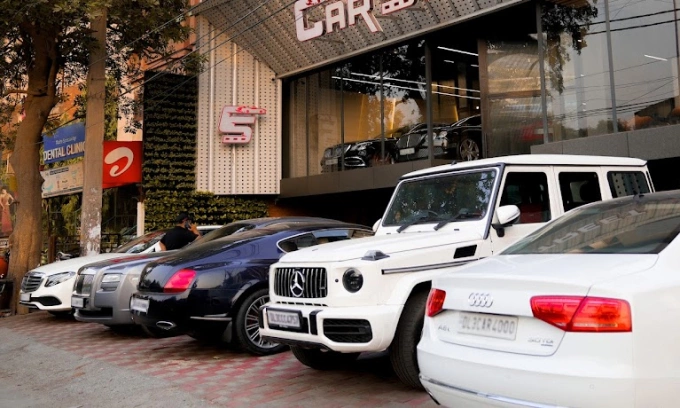
India’s top court has called on the country’s wealthiest citizens to replace luxury gasoline cars with electric vehicles as a concrete step to improve Delhi’s choking air.
Why the Supreme Court’s Appeal Matters
The call comes from Justice Surya Kant, a senior judge of the Supreme Court, who warned that high‑end automobiles have become status symbols that aggravate the capital’s already critical air‑quality situation.
What the Judges Said
“The rich should also sacrifice. Instead of buying premium gasoline cars, they should opt for good electric cars,” Justice Kant declared while presiding over a public‑interest litigation on Delhi’s smog crisis on 7 January.
Key points from the bench
- Luxury cars are a major contributor to particulate matter (PM2.5) and nitrogen oxides (NOx) in Delhi.
- The judiciary emphasised that affluent groups have the financial capacity to lead the transition to cleaner transport.
- Any blanket mandate to switch to electric vehicles without assessing fiscal impact would be impractical.
Context: Delhi’s Air‑Quality Emergency
According to the Central Pollution Control Board, Delhi’s Air Quality Index (AQI) regularly spikes above 300 in winter, far exceeding the World Health Organization’s safe limit of 100. In recent weeks, PM2.5 concentrations have hovered around 250 µg/m³, posing severe health risks.
Practical Steps for Affluent Owners
- Assess eligibility for government EV subsidies. The Ministry of Heavy Industries offers up to ₹1.5 lakh rebate on electric car purchases.
- Choose models with proven range (>300 km) and robust charging infrastructure – e.g., Tata Nexon EV, Hyundai Kona Electric.
- Convert existing home parking spaces to Level‑2 chargers; many utilities now provide subsidised installation.
- Consider corporate fleet electrification to benefit from tax deductions under Section 80‑EEB.
Policy Implications and Next Steps
The court also criticised the Central Air Quality Management (CAQM) board for delaying decisive action. It ordered CAQM to convene a panel of experts within two weeks and submit a detailed report on the primary pollution sources, especially heavy‑duty diesel trucks.
While the Supreme Court stopped short of imposing an immediate ban on luxury gasoline cars, it endorsed a phased, data‑driven transition that balances environmental urgency with economic realities.
By aligning personal choices with judicial guidance, India’s affluent class can play a pivotal role in turning the tide against smog, setting a precedent for other emerging economies facing similar challenges.
What do you think? Could a voluntary shift by the wealthy accelerate India’s clean‑air agenda? Share your thoughts and spread the word.